Clean Energy Canada | Poll: 1 in 5 Canadians more likely to buy an EV because of new rebate and gas prices
April 29, 2026
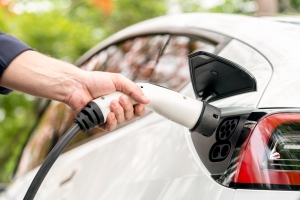
One in five Canadians (21%) say that recent events—specifically, the return of the federal EV rebate and the war in Iran driving up gas prices—have made them more inclined to get an electric vehicle than previously.
That’s according to new Abacus Data polling commissioned by Clean Energy Energy in April, which finds that 52% of Canadians are open to an EV whether or not the rebate and recent gas prices have influenced their feelings.
Openness to getting an EV is particularly high among Canadians aged 18 to 29 (76%), British Columbians (62%), and those with household incomes over $100,000 (65%).
In B.C.—a province known for its high levels of EV adoption—nearly half of those open to buying an EV say recent events have increased their desire to go electric, suggesting 2026 may be a year in which the already-interested are activated to finally make their purchase.
Asked whether they were more inclined to buy an EV or a gas car as their next vehicle (as opposed to whether they were simply open to it), 45% of Canadians say they’re inclined toward an EV, the same as when we asked this question in 2025.
QUOTE
“Whether EV sales shift up or down, it’s easy to think a trend reflects changing levels of interest. In reality, it may have more to do with dollars and cents. When the EV rebate was paused, Canadians waited for it to return. Now that it’s back, they’re buying again. February saw a 47% year-over-year EV sales increase, capturing only 12 days of the rebate being back (it returned on February 16). A more competitive market with a diversity of affordable EV options will have the same effect. Put another way, we don’t need to convince Canadians to go electric so much as we need to make it easier for them. Do that and they’ll convince their neighbours to get an EV too—with a strong argument parked in the driveway.”
—Trevor Melanson, director of insights and communications, Clean Energy Canada
METHODOLOGY
The survey was conducted with 2,000 Canadians from April 16 to 22, 2026. A random sample of panelists were invited to complete the survey from a set of partner panels based on the PureSpectrum platform. These partners are typically double opt-in survey panels, blended to manage out potential skews in the data from a single source. The margin of error for a comparable probability-based random sample of the same size is +/- %, 19 times out of 20. The data were weighted according to census data to ensure that the sample matched Canada’s population according to age, gender, and region. Totals may not add up to 100 due to rounding.